Synchronised battery checks are causing minute-by-minute dips on power grids
Randomising when these devices check their charge could remove the pattern, but many IoT devices are rarely patched.
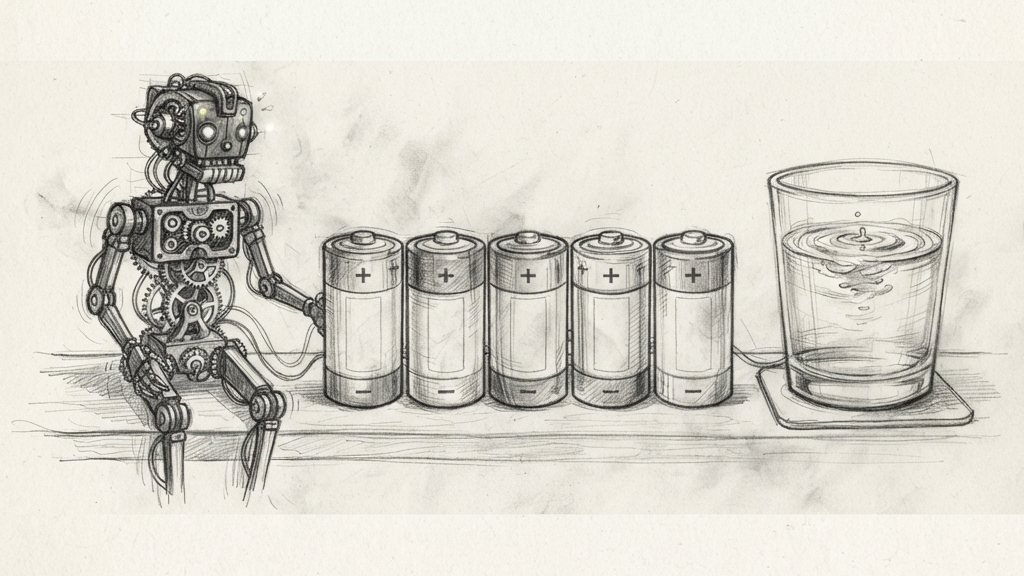
Researchers at Forschungszentrum Jülich traced a long-running pattern of minute-by-minute frequency sags seen across power grids on several continents to uninterruptible power supplies and grid-scale batteries that check their charge levels on the same minute. Because these internet-connected devices share synchronised clocks, their simultaneous checks add up to a visible disturbance. In Ireland the minute-by-minute frequency drop quadrupled from 3 mHz in 2016 to 12 mHz in 2021, and some drops have since exceeded 20 mHz, against a grid built to tolerate swings of plus or minus 200 mHz. Data centers reached 18% of Irish grid load in 2022, and each is served by a fleet of UPS units. The proposed fix is to randomise the timing of these checks, which manufacturers could adopt in software, though the researchers warn that many IoT devices show the same periodic fluctuations and are rarely patched.
Why it matters
The pattern affects grids on several continents, and it is growing: Irish frequency drops quadrupled between 2016 and 2021 and have since passed 20 mHz, well inside the grid's design tolerance but a sign the disturbance is getting larger. Because the cause is many internet-connected devices acting on the same clock, the fix depends on manufacturers changing how their devices schedule checks, and on owners installing those changes. A study cited by the researchers found that fewer than 3% of IoT devices run the latest firmware, which suggests the problem may persist even after a fix exists.
Matters or hype?
Does this story matter, or is it hype? Vote before you see what everyone else said.